 he catalysts are defined in
B y T h e od or H en r i k s en
M i l a n o , 2 8 . 1. 2 0 14
he catalysts are defined in
two different ways, in the first
project I connected dots on the outline of a reindeer, and extended lines in a 90 degree angle of eachother. In the second project I used a ballerina, and did the same as with he reindeer, but the dots were in the joints of a dancer and lines were extended from there (figure no. 1). This created my paradigm (figure no. 2 and 3).
Once I created the paradigm
(figure no. 4) and from there I
etween hills and mountains” - The course started for me by defining three attributes that defines me as a designer. The attributes was serene, strange and sincere. Within the
three attributes I defined nine rules that would influence my generative process in designing
an illustration or collage of Norwegian folklores as my first project, and a childrensbook in the second project.
applied my defined rules decided within the attributes. This sums
up my process in the generative design course.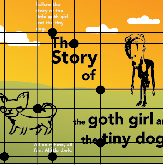
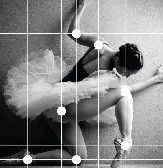
Figure no. 1
Figure no. 3

Figure no. 2
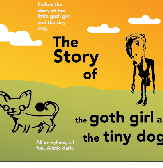
Figure no. 3

Figure no. 5
 he rules of the attributes were as follows: Serene: Low
contrast, extend object in width (2D) and reduce object opacity. In strange: black and white contrast, enlarging any human form, and extend lines. In sencere the rules were oposite contrast, overlapping objects and enlaring most important word of a sentense.
 nce the attributes, the defining rules, the catalyst and the paradigm were all set up
and ready to be transformed. As the outputs,
I produced numerous (figure no. 5.) examples. I’ve learned the importance of personality in my design, aswell as the creative influence external input can have, and be able to help me in my personal design process.